
Our Commitment to the Environment
Environmental Management and Protection
Norway House Cree Nation purchased the Minago Project to enable economic development for the community and the region while protecting the air, land, and water and the natural resources local people have relied upon for millennia.
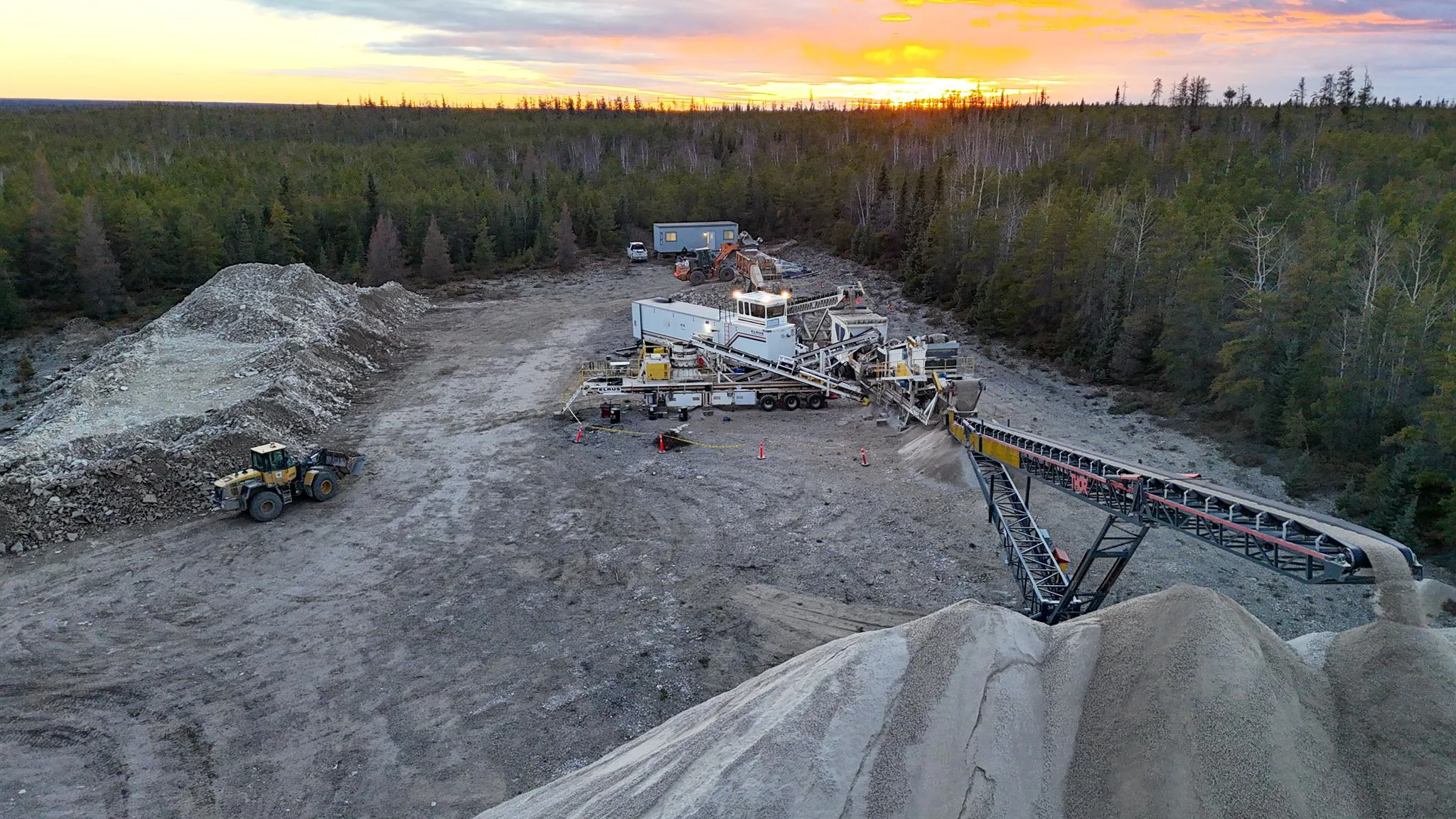
The Project includes three elements:
A dolomite (limestone) quarry operation, already started,
Magnesium extraction from dolomite, planned to begin by the end of 2027, and
Finally, nickel/platinum group metal mining that is a few years into the future.
Protection of surface water and groundwater quality and quantity is the greatest environmental concern related to the project.
Water Management
Water management in all project elements is designed to:
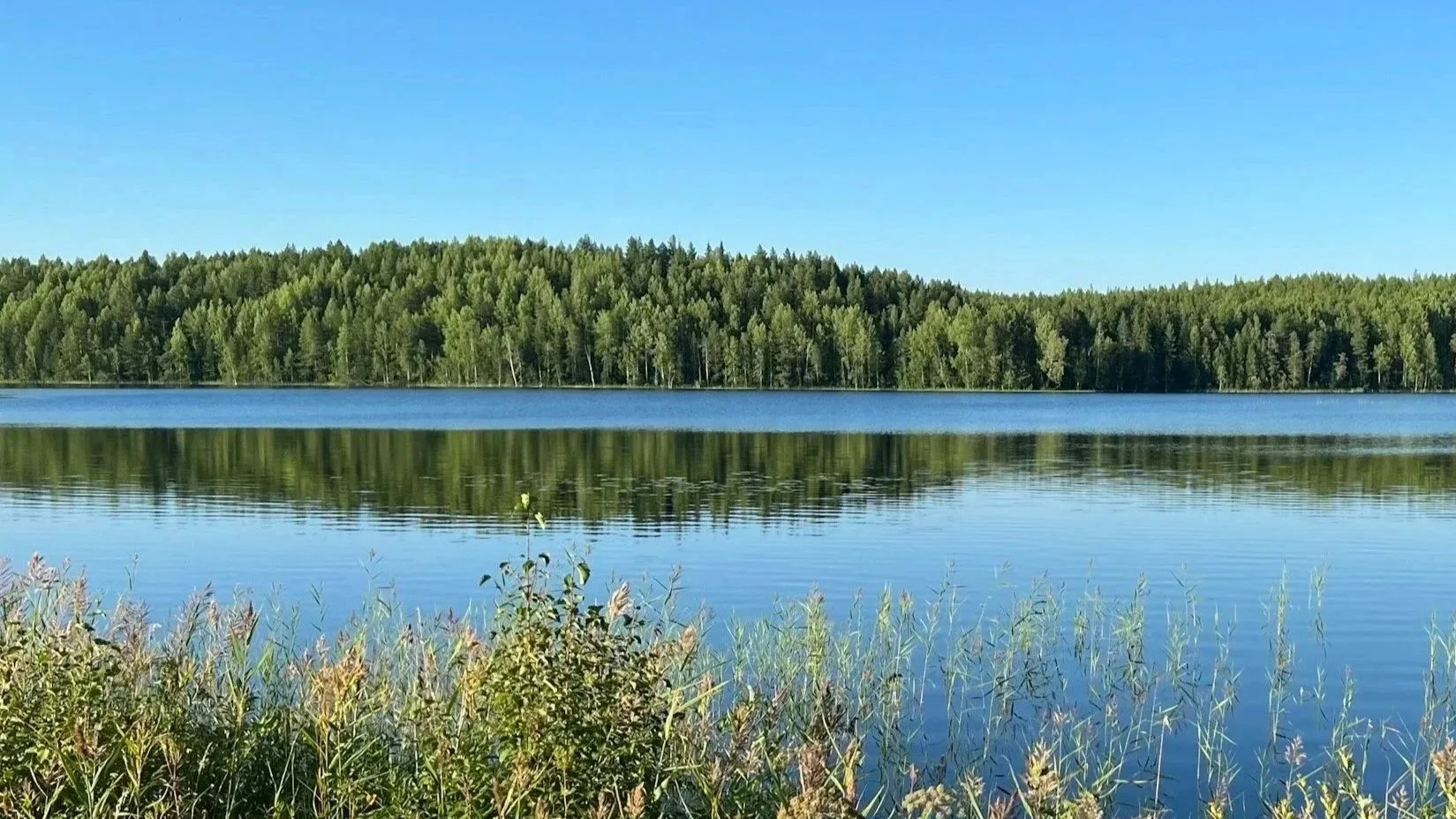
1. Keep clean water clean:
Clean runoff is intercepted and routed around the project site to prevent contamination,
The local groundwater level is drawn down around quarries or the open pit mine to minimize seepage into the quarry/pit, and
Clean groundwater is kept separate from other water sources to prevent it from being contaminated by mined materials.
2. Collect water runoff (rainfall/snowmelt) that contacted rock or overburden stockpiles in surface facilities and route it through settling ponds to manage suspended solids and treat as necessary before discharge.
When water treatment is required, the water is treated to meet the Manitoba Water Quality Standards Objectives and Guidelines for protection of aquatic life before it is released to the environment. Aquatic life protection means that discharge quality from the site is “better than drinking water quality.”
Water management is designed to prevent release of water from the site to the Lake Winnipeg watershed.
Discharge is managed to prevent streambank or channel erosion.
Sound management of water and industry-leading water treatment will protect the local groundwater resource and all receiving waters along with the aquatic, terrestrial, and human users of these resources.
Air Quality
Magnesium Production
Minago has acquired the exclusive right to use newly developed technology for the extraction of magnesium from dolomite. This aluminothermic reduction (ATR) technology is entirely electric powered, does not require water, and does not produce a solid waste. The BBT magnesium extraction technology that will be used, has the smallest carbon footprint and energy requirement of any technology in use today.
Minago plans to install carbon capture on the dolomite calcining stage of the magnesium plant. The captured CO 2 may be suitable for industrial use, subject to further investigation, creating yet another income stream for the project or may also go into carbon storage in the ultra-mafic rock. In either case, the magnesium plant has the potential to be a net carbon consumer, generating carbon credits.
Nickel/PGM Mine
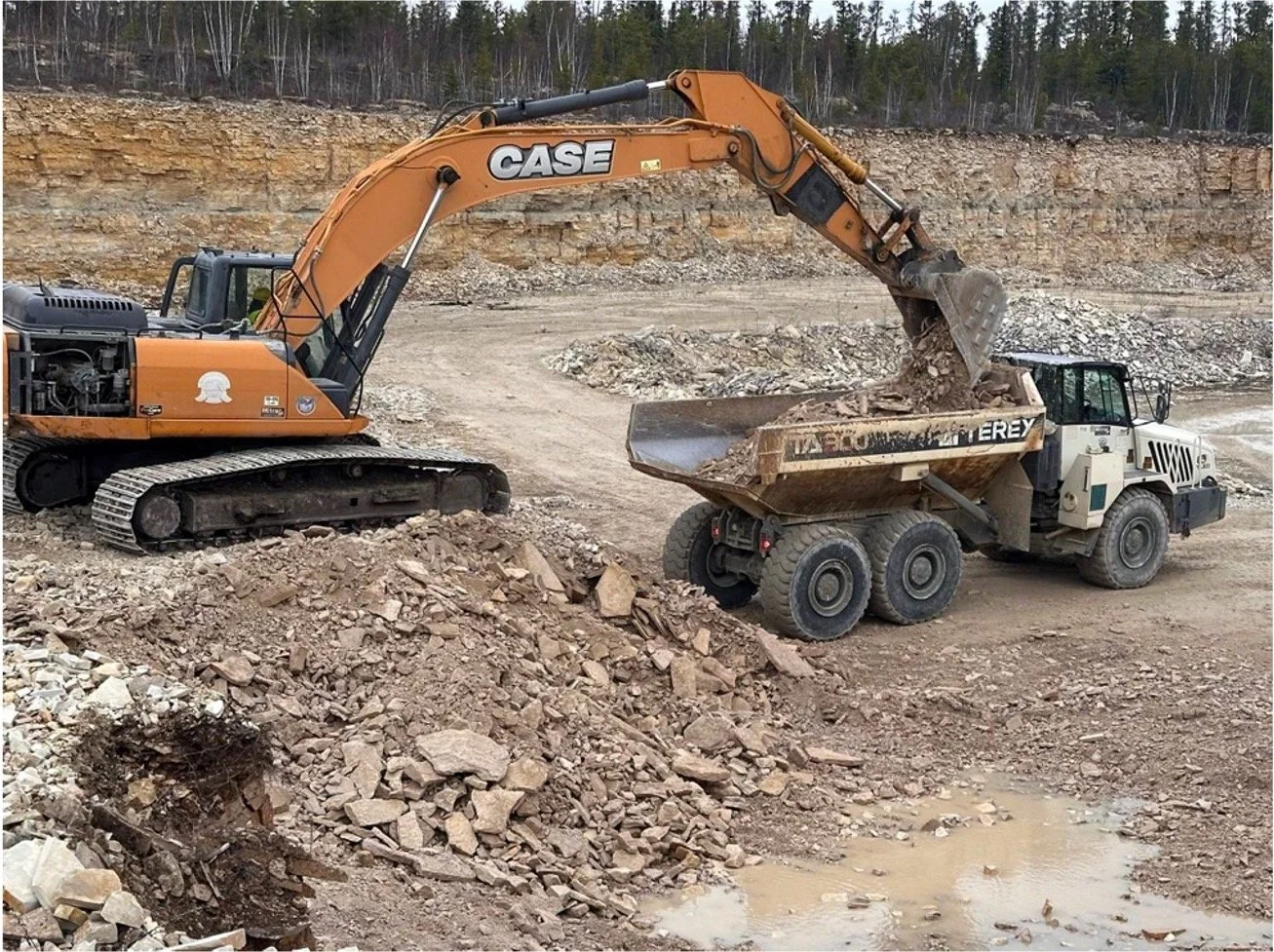
Mining historically has been a fossil-fuel intensive activity, particularly for the large haul trucks used to move ore out of the mine, but this is quickly changing through the use of electric/hybrid equipment that takes advantage of Manitoba’s clean hydroelectric power grid.
Trolley-assist electric/hybrid haul trucks can reduce diesel fuel use by 70% or more. The large shovels used to load the mine trucks have been all-electric for some time with a direct connection to the mine power grid. Electric blasthole drills also will be used.
Electric heat-pumps will provide heating and cooling in the mill, mine camp, and offices.
The ultra-mafic rock that hosts the Nickel/PGM deposit can be used to collect and lock up (sequester) CO 2 . This carbon capture and storage capacity, along with the planned electrification of the mining operation will enable the Minago Nickel/PGM mine to be carbon neutral, making it one of the first carbon neutral mines of its kind in the world.